Best Travel Litter Boxes for Apartment Cat Owners
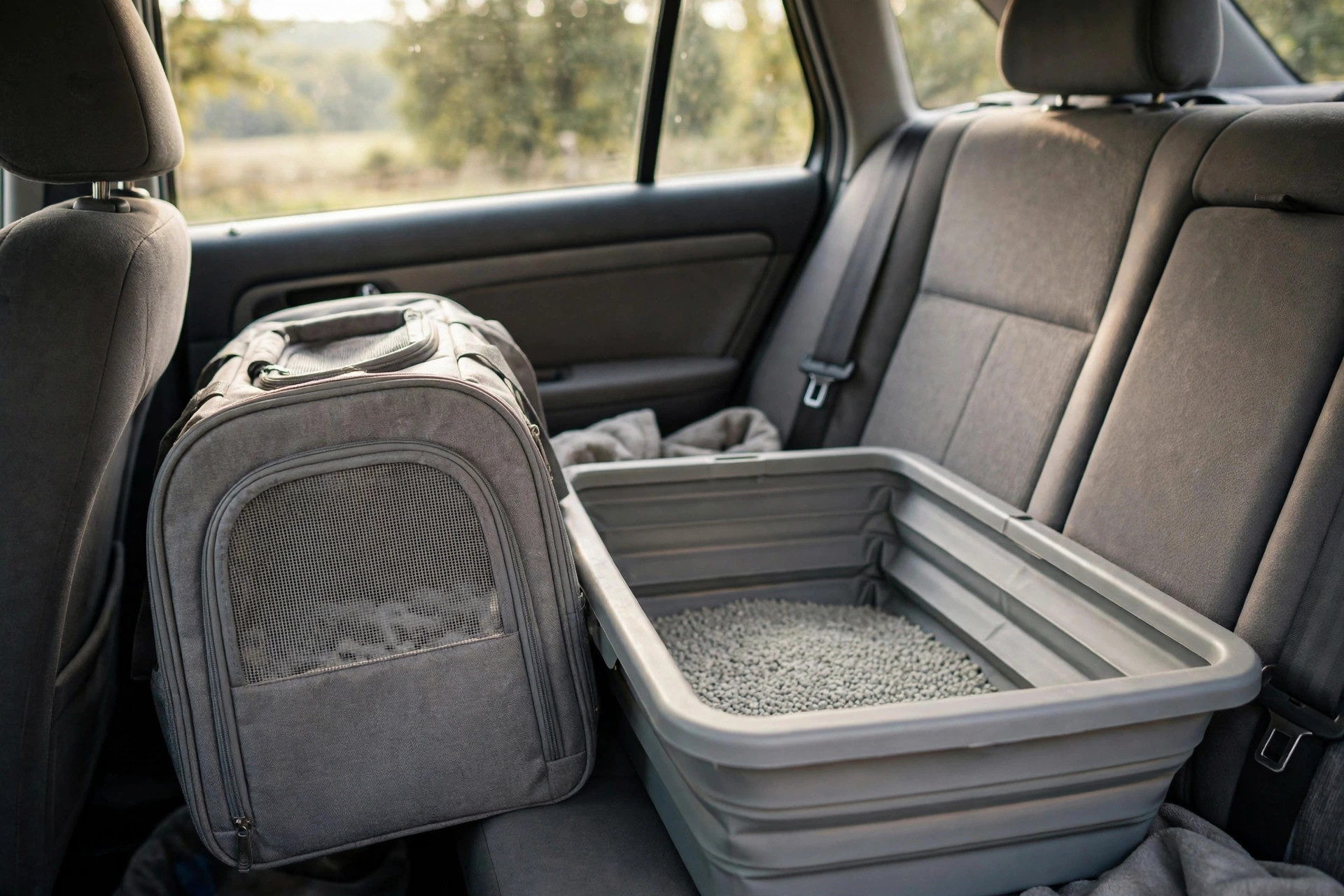
Cats do not pause their biology for your road trip. On a six-hour drive, during a move, or in the hotel room at midnight, the cat needs a litter box — and “we’ll figure it out when we get there” is how cars get ruined and cats get stressed. A travel litter box is a small, packable, leak-proof answer to a problem every cat owner hits eventually, and the good ones cost less than the detailing bill for one accident.
- Two formats work: collapsible boxes for repeated travel, disposable boxes for one-off trips and emergencies.
- Leak-proofing is the whole product. A box that seeps in the trunk is worse than no box at all.
- Bring litter the cat already knows. New box plus new litter plus new place is three novelties too many.
- Size for the car, not the cat’s ego: it needs to fit flat on the back seat floor or in the trunk.
- Keep one disposable box in your emergency kit permanently — evacuations do not give you shopping time.
Three boxes worth packing
Every box below is a real, widely sold product — no flimsy prototypes. Prices are typical street prices.
| Box | Best for | Usually | Travel note |
|---|---|---|---|
| Pet Fit For Life Collapsible Travel Litter Box | Repeated travel | $18–$25 | Folds flat to under an inch; waterproof lining; zippered carry case |
| Nature’s Miracle Disposable Litter Boxes | One-off trips & emergencies | $10–$15 (pack of 3) | Use a few days, toss; keep one in the car permanently |
| DIY shallow storage bin | Moving day | $5–$10 | A 6-quart bin with a lid doubles as the litter’s own transport container |
Pet Fit For Life Collapsible — the travel pick
The purpose-built answer: a fabric-sided box with a waterproof inner lining that pops open to full size in seconds and folds flat — genuinely flat, under an inch — for storage between trips. The zippered case keeps it clean in the trunk, and the high sides contain enthusiastic diggers better than most disposables. It holds enough litter for a weekend, wipes clean between uses, and survives years of folding. For anyone who travels with the cat more than once a year, this pays for itself the second trip. Hand-wash the lining occasionally; machine washing degrades the waterproofing.
Nature’s Miracle Disposable — the emergency pick
Sturdy recycled-paper boxes with a leak-resistant coating, sold in multi-packs. They are not glamorous, but they solve the two scenarios where the collapsible box is wrong: the unplanned trip (vet emergency, sudden evacuation) and the trip where you do not want to bring a used litter box home. Keep one flattened in the trunk or the hall closet permanently — it weighs nothing, costs a few dollars, and turns “we have to leave in twenty minutes” from a crisis into a plan. Lasts several days of use before the coating gives out; then recycle it and open the next.
DIY storage bin — the moving-day pick
For the move itself — the one day the cat’s whole world is in boxes — a cheap 6-quart plastic storage bin with a snap lid is unbeatable. Fill it with the cat’s usual litter before the movers arrive, snap the lid on for transport (no spills in the car), pop the lid off at rest stops and in the new place. When the real litter box is set up, the bin becomes general storage. Total cost: less than a coffee, and the familiar litter inside is doing most of the psychological work.
The car setup that prevents disasters
Where the box goes matters as much as which box. The setup that works:
- Location: back seat floor. Flat, contained, out of direct sun. The trunk works in hatchbacks and SUVs but heats up fast — never leave the cat back there unattended in warm weather.
- Under it: a puppy pad or trash bag. Even good boxes can slosh on a hard brake. A $0.50 pad under the box is the cheapest insurance in pet travel.
- Beside it: the carrier, door open. The cat’s carrier is the safe home base; the litter box is the bathroom down the hall. Do not put the box inside a small carrier — cats will not sleep next to their toilet any more than you would.
- Litter depth: shallow, 1–1.5 inches. Less weight to haul, less to spill, and plenty for a day’s use. You are not filling the home box.
- Litter type: the familiar one. This is not the trip to try the new lightweight formula. Scoop a bag from the home box — used litter carries the scent cue that says “this is a toilet.”
- Set up the box before opening the carrier. A cat released into a room with no toilet makes its own decision quickly.
- Bathrooms are ideal: tile floors, a door that closes, easy cleanup. Put the box in the tub or shower base for maximum containment.
- Bring a litter mat — hotel carpet and tracked litter are a cleaning-fee waiting to happen.
- Scoop into zip bags and trash them; do not flush litter, even “flushable” kinds, in unfamiliar plumbing.
Getting the cat to actually use it
The number-one travel litter failure is a cat that holds it for twelve hours rather than use the strange box — stressful for the cat and risky for urinary health. The fix is a trial run at home: set up the travel box next to the regular box a week before the trip, with the familiar litter inside. Most cats investigate within a day or two; once it has been used once, it smells right and the travel version is a known object, not a novelty.
For the truly stubborn, the nuclear option is scent transfer: bury a piece of used litter (a clump from the home box) in the travel box’s fresh litter. It is mildly gross and completely effective — the cat’s nose overrides its suspicion instantly. And keep the routine: same litter, same scooping, same privacy. Cats are creatures of habit even at 70 mph.
The emergency-kit argument is the one that matters most. Fires, burst pipes, and building evacuations do not schedule themselves, and “the cat has nowhere to go to the bathroom” is the reason people delay leaving or sneak back into unsafe buildings. A disposable box, a zip bag of litter, and a carrier by the door — the whole kit costs under $30 and lives in the closet until the worst day. Pack it this weekend.
FAQ
How long can a car ride go without a litter break?
Most healthy adult cats can comfortably go 6–8 hours, but “can” is not “should” — offer the box at every stop on trips over four hours. Kittens, seniors, and cats with urinary issues need more frequent opportunities. If the cat has not used the box in 12+ hours, offer privacy and quiet; stress suppresses the urge, and a calm cat in a parked car will usually go.
Will my cat use a litter box in a moving car?
Some will, most prefer the car stopped. Plan litter breaks at rest stops: park, open the carrier, give the cat ten quiet minutes with the box on the back seat floor. Do not open car doors with the cat loose — a startled cat in a parking lot is a lost cat. Harness and leash as backup for any door opening.
Can I just use a cardboard box lined with a trash bag?
In a genuine pinch, yes — it will survive a day. But claws shred the bag, urine finds the cardboard, and the whole thing becomes a soggy mess by day two. The disposable commercial boxes cost a few dollars and have a real leak-resistant coating; the cardboard hack is for emergencies only, not planned travel.
What litter is best for travel?
The one your cat already uses — familiarity beats every other consideration. If you are buying fresh for the trip, a lightweight litter reduces the weight you are hauling, and unscented avoids adding another novelty. Skip crystal litter for travel unless the cat already uses it; the texture change puts some cats off.