How to Calm an Anxious Cat Before Vet Visits
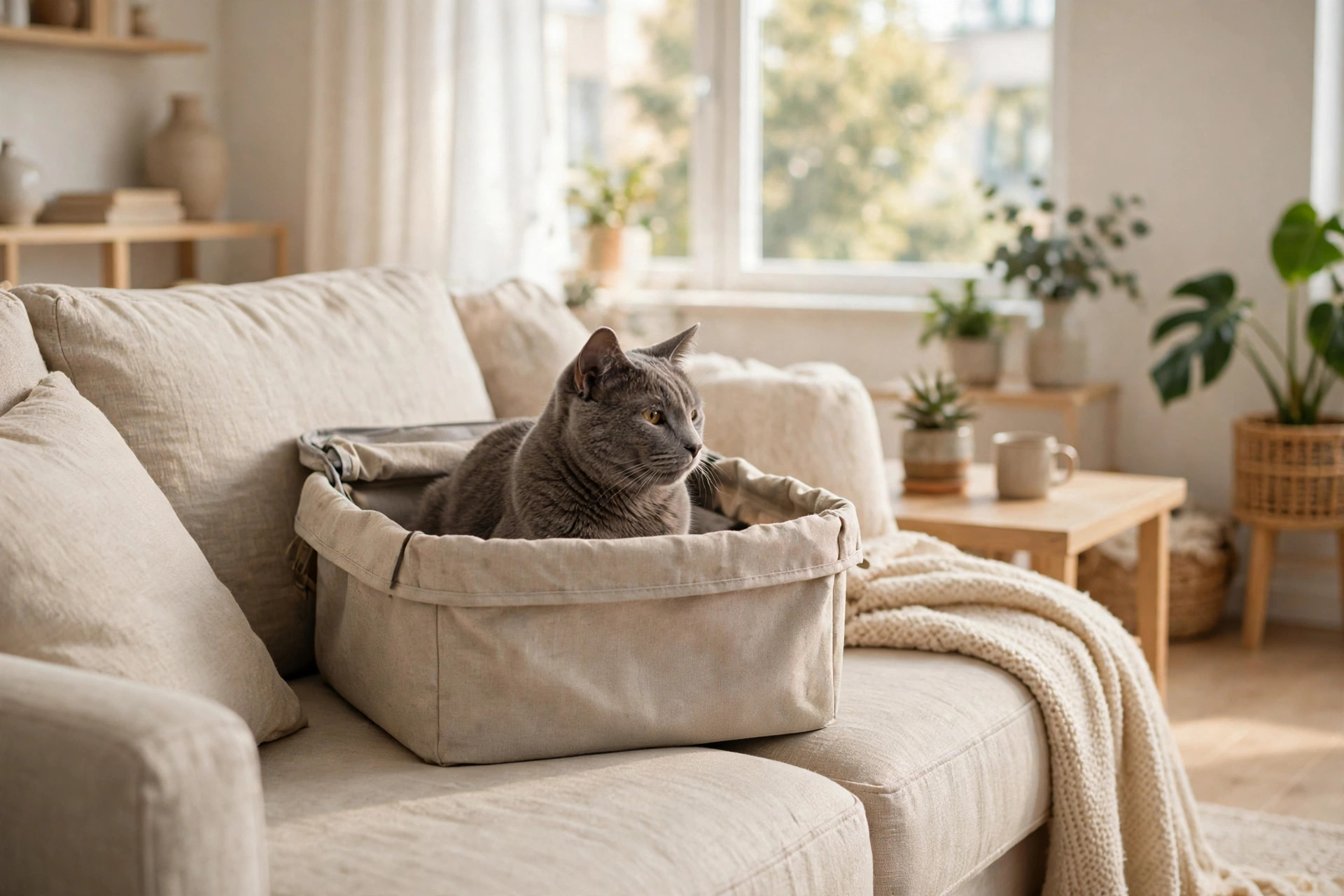
The carrier comes out of the closet and the cat vanishes — under the bed, behind the washing machine, into a dimension you cannot access. By the time you have wrestled the cat inside, both of you are stressed, and the vet gets a cat that is already at maximum arousal before the exam even starts. The anxiety is not about the vet. It is about the sequence: carrier equals capture, car equals terror, waiting room equals dogs. Break the sequence into pieces, retrain each one, and vet day becomes merely unpleasant instead of traumatic.
- The carrier must live out in the open as furniture — not appear from the closet on vet day. Two weeks of carrier-as-bed retraining changes everything.
- Desensitize in stages: carrier → door closed → carried around the apartment → short car rides, each step paid with high-value treats.
- Feliway spray ($18–$25) on the carrier bedding 15–30 minutes before loading helps mild anxiety; it is not a substitute for training in severe cases.
- Ask your vet about pre-visit gabapentin for truly panicked cats — a single prescribed dose 2–3 hours before the visit takes the edge off safely.
- Book strategically: first or last appointment of the day means a quieter waiting room, and cat-only hours or a cat-friendly practice remove the dog factor.
Weeks 1–2: retrain the carrier from trap to bedroom
The carrier currently predicts capture, so the first job is changing what it predicts. Take the carrier out of the closet permanently — it lives in the living room now, door removed or propped open, with a soft blanket and a few treats inside. Feed one meal a day in the carrier. Toss treats in randomly when you walk past. Within a week, most cats start napping in it voluntarily, because the carrier has become the warm enclosed spot that sometimes contains chicken.
Week 2 adds the door in stages: door closed for five seconds while treats rain through the grate, then thirty seconds, then a minute — always opening before the cat gets upset. Then pick the carrier up and walk around the apartment, set it down, open the door, jackpot treat. Then a trip to the hallway and back. Each stage gets two or three successful reps before advancing, and any panic means dropping back one stage. The carrier you want on vet day is the one the cat walks into on its own — and that carrier takes about two weeks to build. If your carrier is a top-loading model ($35–$60), even better: cats that hate being shoved through a front grate will often step down into an open top without a fight.
Calming aids: what actually helps and what is marketing
| Aid | Typical cost | Evidence & honest take |
|---|---|---|
| Feliway Classic spray | $18–$25 | Synthetic feline facial pheromone; modest evidence for mild stress. Spray carrier bedding 15–30 min before loading (never on the cat). Worth trying; not a miracle. |
| Calming treats/chews | $10–$18 | L-theanine or casein based; weak evidence, but harmless. Useful as part of the carrier-training treat rotation rather than a standalone fix. |
| Calming collar | $12–$20 | Pheromone collar worn for weeks; some owners report steadier baseline anxiety. Fit must allow two fingers underneath. |
| Prescribed gabapentin | Vet visit + prescription | The heavy hitter for truly panicked cats. One dose 2–3 hours before the visit; mild sedation and wobbliness are normal. Ask your vet — do not dose on internet advice. |
| Thundershirt/wrap | $35–$45 | Gentle pressure wrap; mixed evidence in cats, and many cats hate wearing things. Try it during carrier training weeks, not for the first time on vet day. |
The honest hierarchy: training beats products, and for severe anxiety, prescribed medication beats training alone. A cat that screams, pants, or injures itself in the carrier needs the vet conversation about gabapentin — there is no virtue in white-knuckling through panic when a safe, cheap pharmaceutical option exists. Test any new aid on a non-vet day first; vet day is the worst possible time to discover the Thundershirt makes things worse.
Vet day: the hour-by-hour playbook
2–3 hours before: give prescribed gabapentin if you have it, then leave the cat alone — no practice runs, no hovering. 30 minutes before: spray Feliway on the carrier bedding (not while the cat is inside), place the carrier in its usual spot with the door open and a treat inside. Loading: let the cat walk in if the retraining held; if not, the towel wrap into a top-loading carrier is the low-drama method — wrap, lower in, close. Never chase the cat around the apartment for twenty minutes; if loading is failing, pause, breathe, and try the bathroom (small room, fewer hiding spots) instead of turning the whole home into a hunt.
The car: carrier on the back seat, seatbelt through the handle, a light blanket draped over three sides (leave the front ventilated). Keep the car cool and quiet — no loud music, no sudden braking practice. For cats that vocalize nonstop, a calm voice and a finger through the grate help more than silence; the cat wants to know you are there. The waiting room: keep the carrier on your lap or on a raised bench, never on the floor (floor level is where the dogs are). Drape the blanket over the front. Ask the receptionist if there is a cat-only waiting area or whether you can wait in the car until the room is ready — most clinics will accommodate this if you ask when booking.
The vet visit starts two weeks before the appointment. Every calm carrier rep you bank in training week is interest paid on vet day — the cat cannot panic about a routine it already trusts.
Book smart: the appointment choices that lower stress
Three booking decisions change the experience more than any product. Time of day: the first appointment of the morning or the last of the day means the waiting room is at its quietest — fewer dogs, less bustle, faster rooming. Cat-friendly practice: look for AAFP Cat Friendly Practice certification; these clinics have separate cat waiting areas, cat-only exam rooms, and staff trained in low-stress handling. In a big city there is usually one within a reasonable distance, and the difference is dramatic. Tell them in advance: when booking, say “my cat is very anxious — can we do a quiet room straight away?” Clinics deal with this daily and will plan for it if they know.
For routine things like vaccine boosters, ask whether the clinic offers cat-only hours or quiet appointments — many do one morning a week. And consider the mobile vet option ($50–$100 premium over clinic prices in most cities): for a cat whose panic is specifically about the carrier and car, an exam at home skips the two worst links in the chain entirely. Not every procedure can be done at home, but wellness visits and boosters usually can.
FAQ
My vet appointment is tomorrow and I have done none of this. What helps tonight?
Leave the carrier out open with treats inside overnight, spray Feliway on the bedding 30 minutes before loading, drape a blanket over the carrier in the car and waiting room, and ask for a quiet room on arrival. Then start the two-week retraining the day after — future you will be grateful.
Is gabapentin safe for cats?
When prescribed by your vet at the right dose, yes — it is one of the most commonly used pre-visit anti-anxiety medications in feline medicine. Expect mild sedation and wobbliness for a few hours. Never dose from internet advice; the vet needs to rule out conditions that change the dosing.
My cat pants and drools in the carrier. Is that normal?
Open-mouth panting and drooling in cats signal high stress (unlike dogs, cats rarely pant when calm). It warrants the full program: carrier retraining plus a vet conversation about pre-visit medication. Do not dismiss it as drama — that cat is genuinely suffering.
Should I get a bigger carrier to give my cat more space?
Not necessarily — most cats feel safer in a snug carrier than a roomy one, since small enclosed spaces read as hiding spots. The upgrade that matters is top-loading access and a familiar-smelling blanket, not square footage.